
The Honest Guide to Booking a Corporate Event Photographer
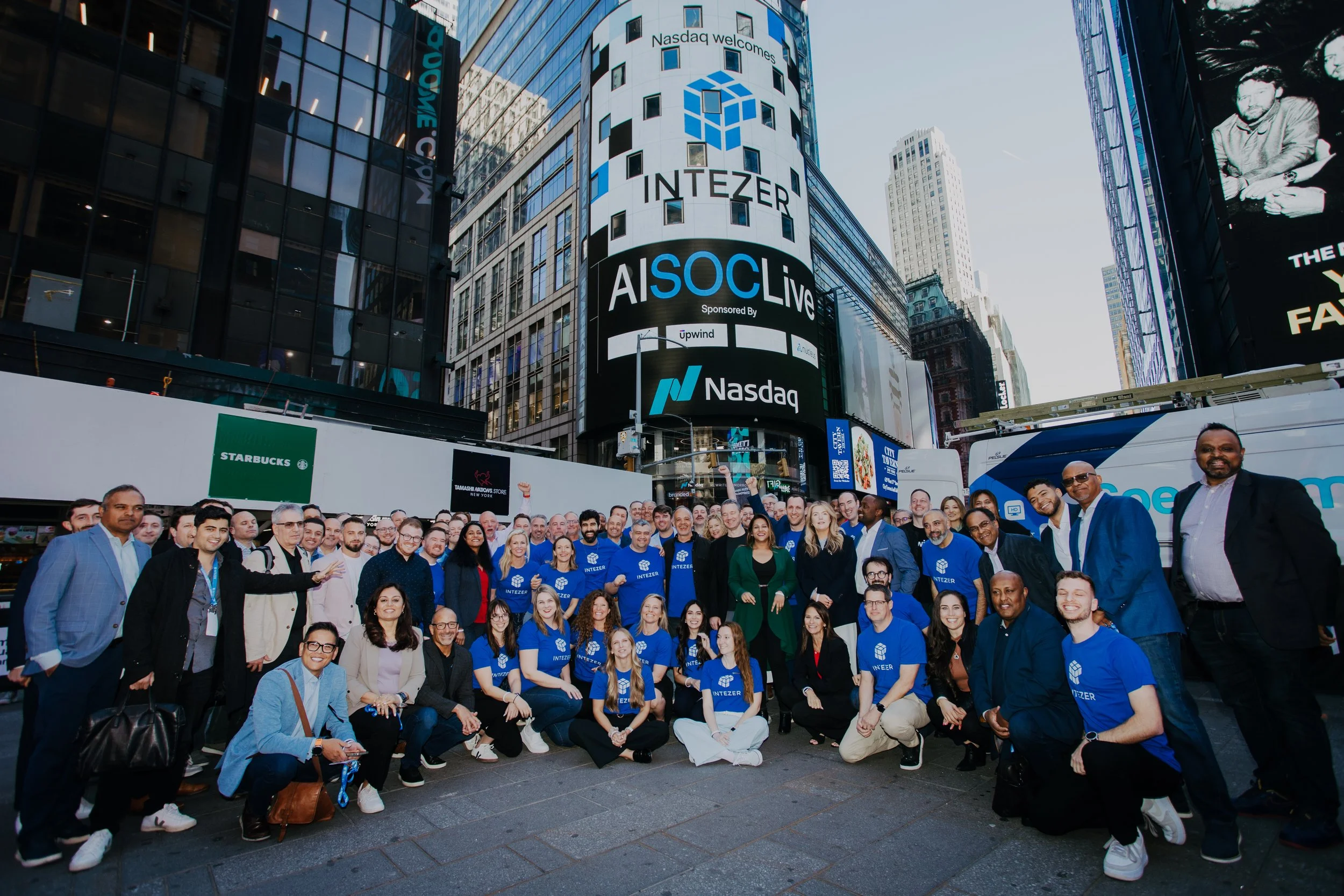
Six things nobody tells marketing and comms teams before they book — from someone who's shot it from behind the lens.
Most corporate event briefs sound the same: "cover the event, get some good shots of the room." Nobody tells you what actually separates a photographer who delivers usable, on-brand images from one who hands you 400 photos you'll never open. Here's what I've learned shooting everything from Nasdaq events to embassy galas.
1. Ask what happens in the first hour after the event ends.
Most photographers disappear for two weeks and hand you a folder. If you need a same-day recap post or a press-ready shot before an exec leaves the building, ask for same-day selects specifically. If they can't promise it, you're planning your week around their editing schedule.
2. Find out if they can shoot discreetly.
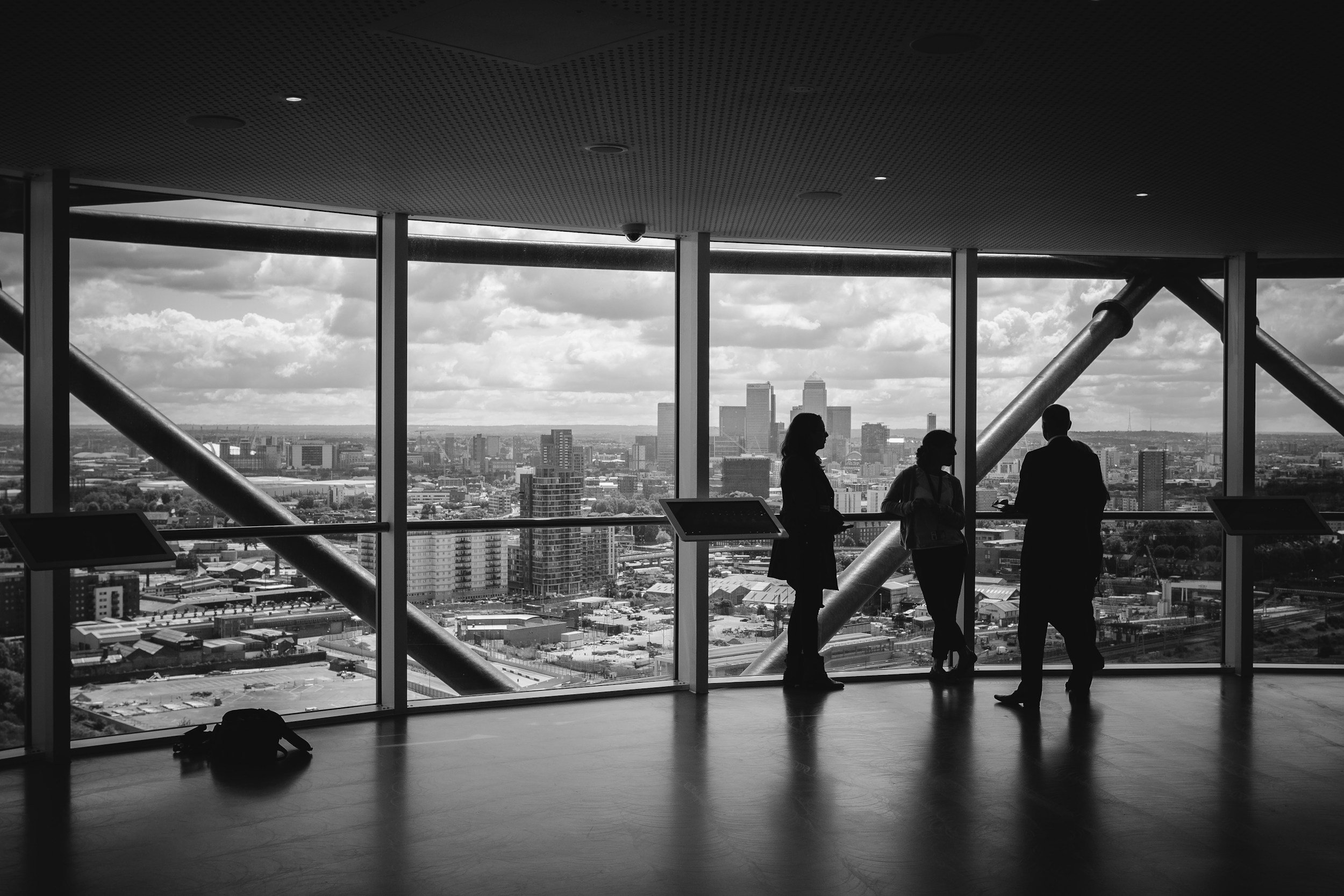
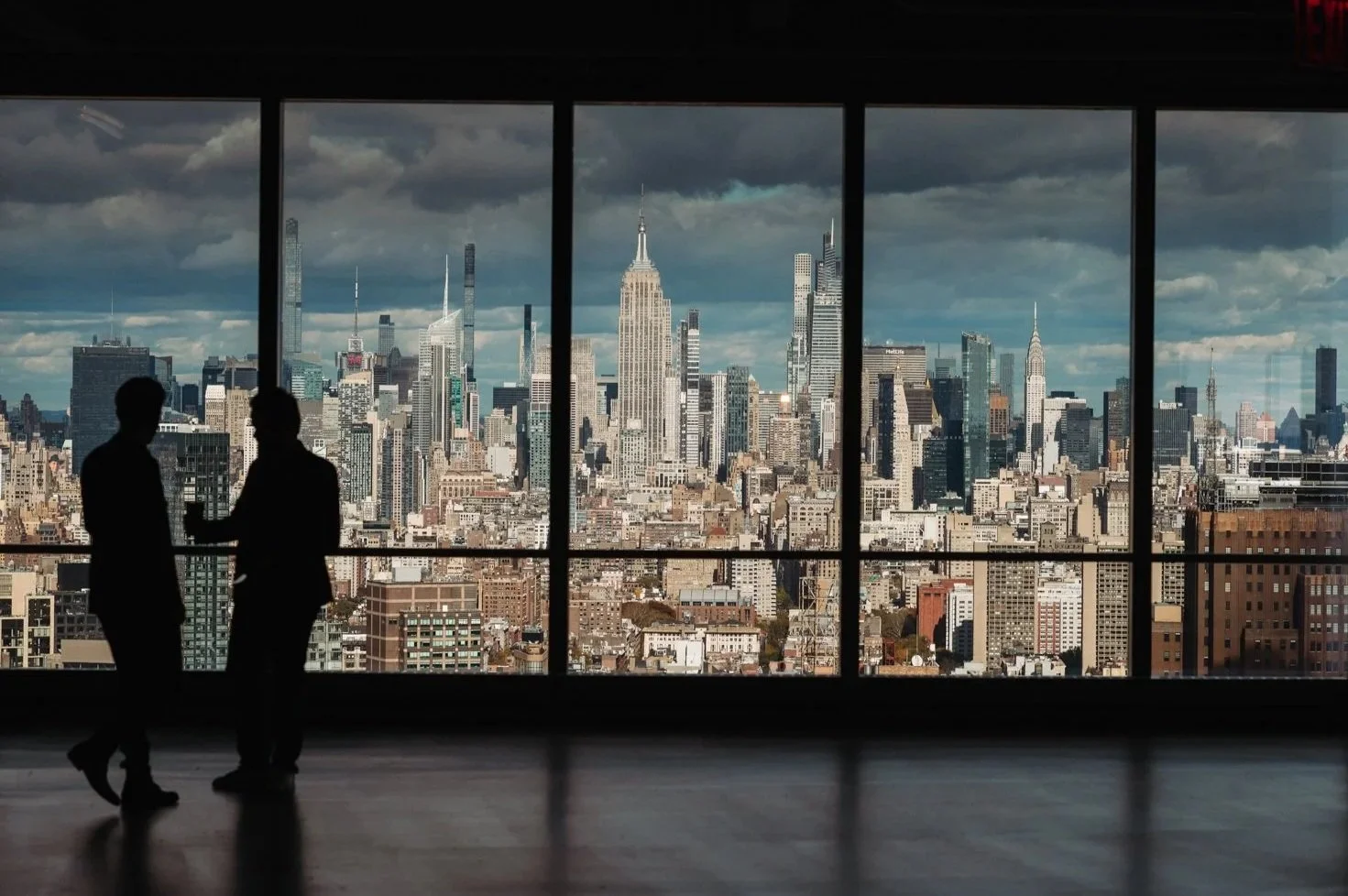
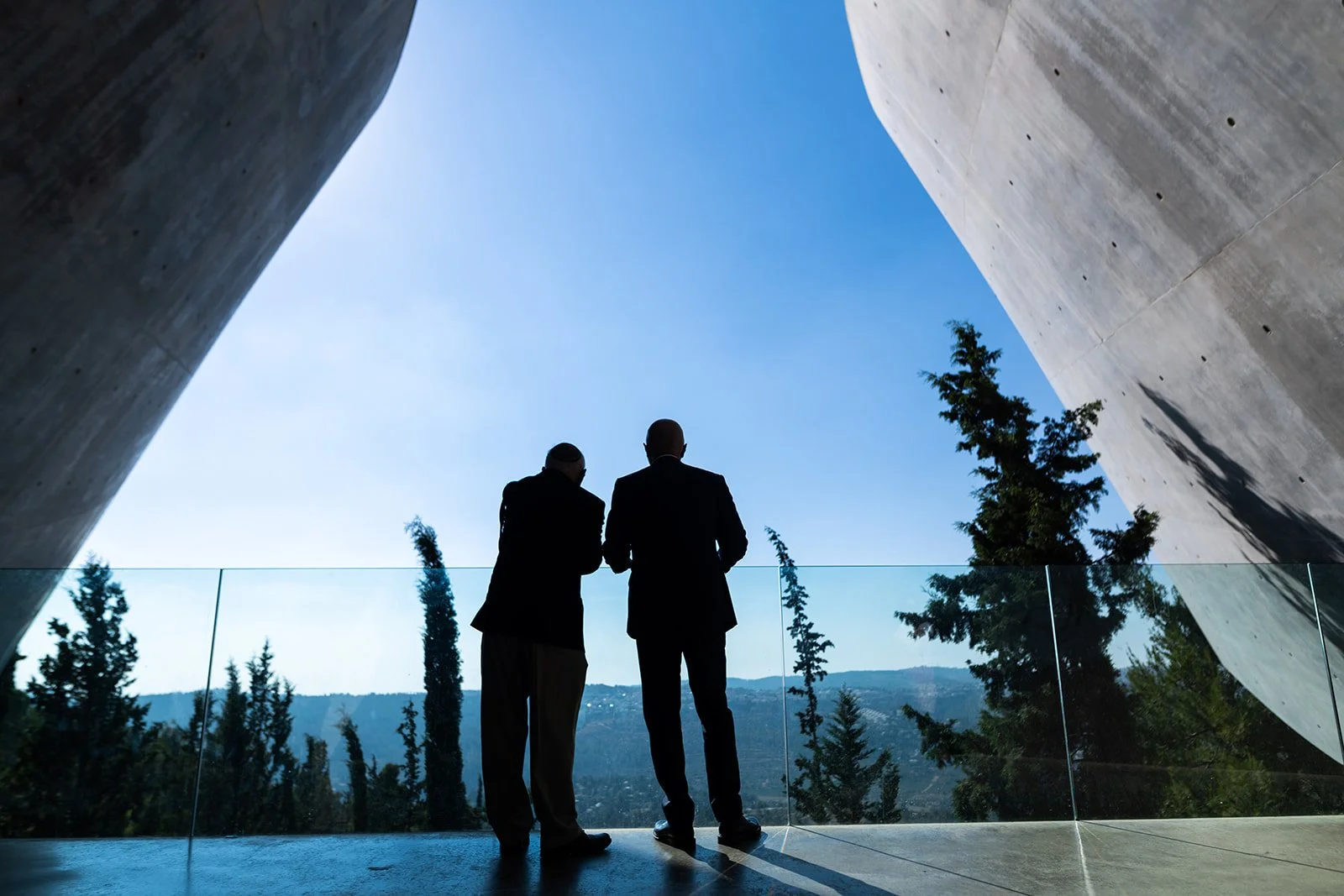
Panels, executive dinners, closed-door sessions — a photographer constantly repositioning or firing a flash across the room is a liability, not an asset. Ask how they work around VIPs and confidential conversations before you book.
3. Get a straight answer on licensing.
You'll get the photos" isn't the same as "you can use the photos." Ask explicitly: paid social, press releases, a pitch deck, a careers page — all covered? Some photographers restrict commercial use unless you pay extra. Know that before the invoice.
4. Look at how they handle bad rooms, not good ones.
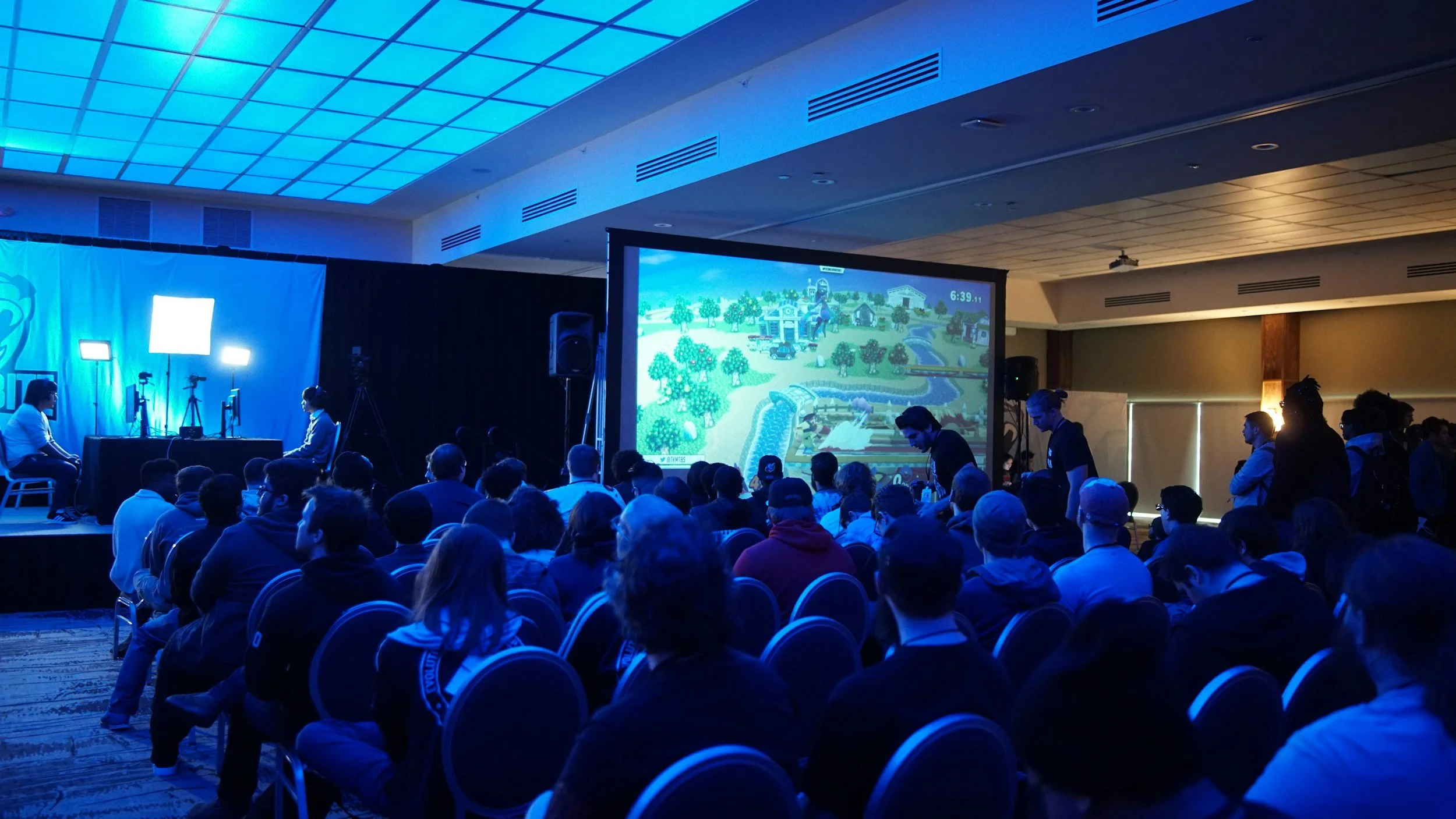
Ballrooms with terrible overhead lighting. Windowless conference rooms. Anyone can shoot in nice natural light. Ask to see work from an ugly, real corporate venue — that's where you learn if someone actually knows the craft.
5. Ask who's actually listening to your brief.
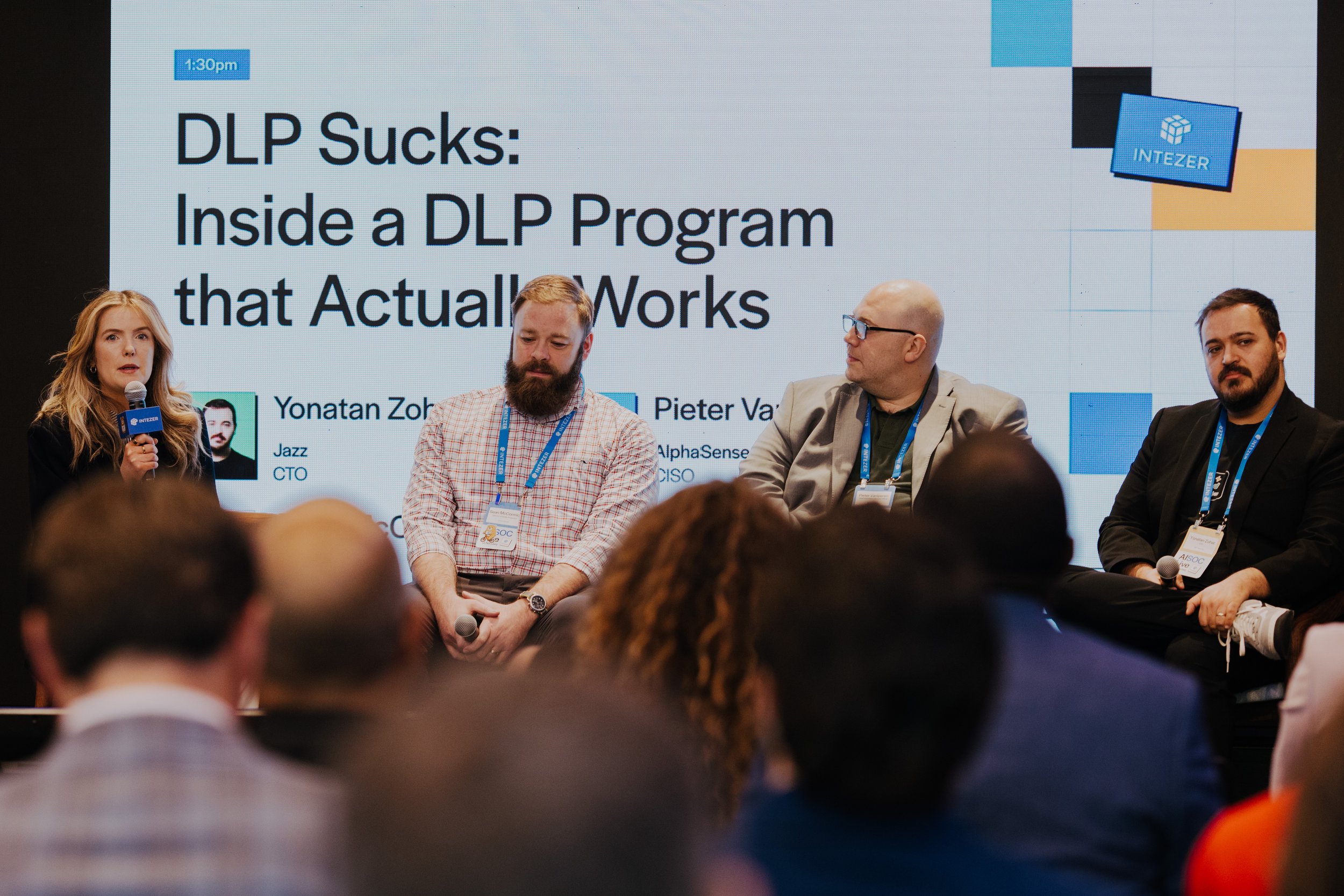
"Cover the event" and "we need three hero shots for the annual report plus candid culture shots for LinkedIn" are two different jobs. A photographer who asks clarifying questions before the day is the one who delivers what your team actually needs.

5. Ask who's actually listening to your brief.
"Cover the event" and "we need three hero shots for the annual report plus candid culture shots for LinkedIn" are two different jobs. A photographer who asks clarifying questions before the day is the one who delivers what your team actually needs.
6. Check what happens to the raw footage, not just the edited set.
Do you get a real, representative set — or only the twelve most flattering frames? For events with leadership or press exposure, you want volume, not luck.

Bonus: What "documentary-style" actually means for corporate work.
Everyone says "authentic" now. The real test: ask how much they direct during the event. Close to zero — that's documentary. "I like guiding a few key moments" — that's staged with better branding. Neither is wrong, just know which one fits a room full of people who don't want to be told where to stand.
If any of this sounds familiar: I don't direct your event, I document it — and you see selects the same day, not two weeks later. 12+ years shooting corporate events for clients including the UK Embassy, Weizmann Institute, and Tel-Aviv Digital.
— Ben Kelmer, Kelmer Studio

